Illawong’s leafy surroundings make the place feel pretty good to live in, but at the same time nearby trees can bring in leaves, bark, twigs and all sorts of organic stuff, kind of not politely, into home drainage areas. For people owning property, gutter cleaning in Illawong matters a lot, because the debris often grows slowly, like you don’t really notice it, until it starts to slow the water flow much earlier than you’d expect. Knowing how these blockages build up, and spotting the early signs sooner, can help protect roofs, walls and the whole drainage setup, from damage you could’ve avoided.
How Bushland Leaf Litter Ends Up in Gutters
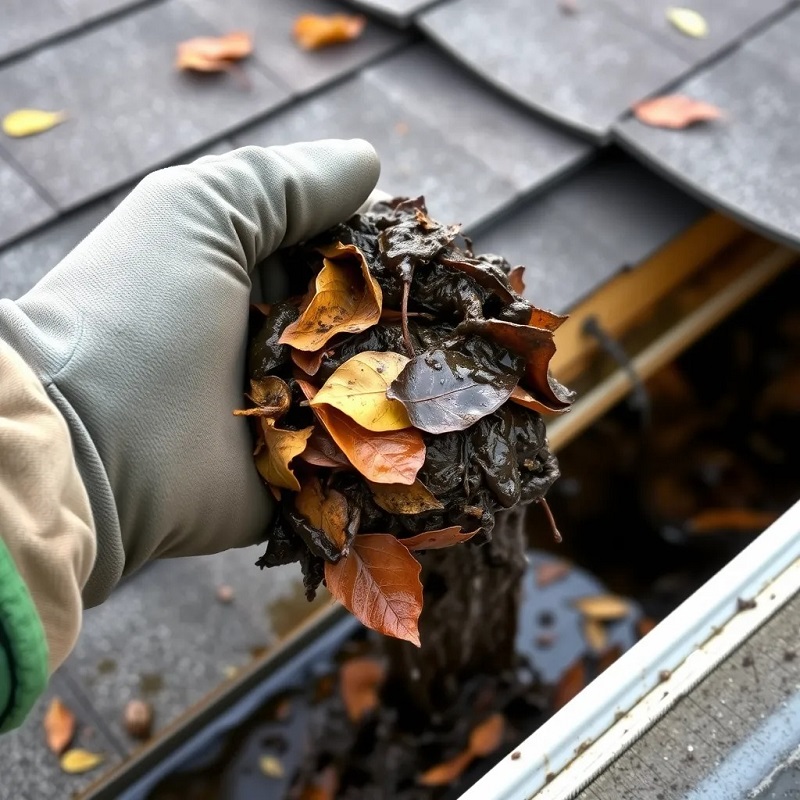
Trees release leaves, small branches , bark and other natural material all year round. Wind does that thing where it shoves the debris onto rooftops, then rainwater basically carries it down into the gutters. If your place is surrounded by mature trees , or you’re closer to bushland, you may end up with debris showing up more often than homes with fewer trees nearby.
At first it’s easy to think, “it’s only a few leaves, no big deal.” But when it keeps stacking, you can end up with a thicker organic layer sitting along the gutter channel. Smaller bits , like dirt and roof sediment, can get wedged between leaves and then compact into deposits that are hard to shift with normal rainfall.
As more material gathers, the gutter has less free space for the water. In light showers, the gutter might still look like it’s doing its job, so the blockage is tricky to notice from the ground.
Why Blocked Gutters Stay Hidden
Water Can Still Move Through, Even If It’s Partly Blocked
A gutter doesn’t need to be completely packed to cause drainage headaches. Water may still travel through the remaining open sections , while the debris slowly narrows the channel. This gives that annoying false signal that everything is fine.
Then, during heavier rain, the reduced capacity may not be enough. Water can spill over the gutter edges, pool around roof areas or run down outside walls, instead of ending up where it’s meant to go, straight to the outlets.
Downpipes Can Get Blocked Too
Leaves and other debris tend to drift towards downpipe openings, especially when rain pushes loose material along the gutter. Once the debris settles close to an outlet, it can stop water from moving from the roof into the ground drainage path.
If a downpipe is blocked, water can hang around in the gutter longer than it should. When that happens repeatedly, the chance of overflow increases, and the guttering system ends up under extra strain, which nobody wants.
Problems Build Up Slowly
Organic debris doesn’t always trigger an instant “drama” moment. It can collect over weeks or months, depending on tree coverage, the weather patterns, and the way the roof is shaped.
That slow build is why some homeowners only notice a blockage after a storm when water starts spilling over the edges. Regular checks can catch the issue earlier, before it becomes a bigger and costlier maintenance situation.
Five Early Warning Signs Gutters Need Attention
Spotting problems early helps homeowners book maintenance before the blocked drainage turns into a more serious hassle.
- Water overflowing during rainfall: When water spills over the gutter rims it can point to a restricted path, blocked outlets, or a drainage setup that’s not handling the volume.
- Leaves visible along the gutter line: If you can see lots of debris at the roof edge, it often means leaves are piling inside the gutter.
- Plants growing in the gutters: Seeds settling in damp organic material can sometimes sprout, which usually means the debris has been sitting there for a while.
- Water stains on exterior walls: Ongoing overflow can leave marks on walls, near windows, and other close-by surfaces.
- Sagging or separated gutter sections: Persistent debris plus trapped water adds weight to guttering, which can lead to damage or make fixings loosen.
These signs don’t always mean the exact same thing underneath. A professional inspection is the smart move, because it can confirm whether the cause is built-up debris, a blocked downpipe, gutter damage, or another drainage issue entirely.
How Leaf Buildup Can Impact a Property
Roof and Gutter Damage
Wet leaves and compacted organic matter can hold moisture right against gutter surfaces. When trapped water and sediment keep building, that can lead to deterioration over time, depending on what the gutter material is like, and its existing condition.
Heavy buildup also increases the load on gutter brackets and fixings. If those parts are already worn, loose or weakened, the extra weight can make the situation worse.
Water Damage Around the Home
When gutters don’t move rainwater away properly, overflow can affect exterior walls, window areas, fascia boards, and nearby landscaping. If moisture exposure keeps happening, it can lead to deterioration, staining, and damp-related concerns.
Water that isn’t directed away well can also collect near parts of the building perimeter. What happens next depends on the property’s drainage design, ground conditions, and just how much water is involved.
Unwanted Insects and Other Pests
Damp leaves and decaying organic material can create sheltered conditions that attract certain insects. If debris stays in place, it can even offer hiding spots and nesting opportunities for some pests.
Keeping gutters cleared of accumulated material reduces those hiding places, and it also supports smoother drainage around the property overall.
How Often Should Illawong Gutters Be Checked?
There isn’t one single cleaning schedule that suits every property. Homes that sit near mature trees, or have that sort of leafy canopy, may need extra attention, kind of more often than places with limited vegetation nearby.
A practical maintenance approach is to take a look at the gutters before the wetter months kick in, check again after a big leaf fall, and then schedule more inspections whenever warning signs show up. For many properties, a twice-yearly inspection is a pretty good starting point, but if your place is heavily treed you may end up needing more frequent gutter attention.
Homeowners should also think about the roof height, the gutter configuration, how downpipes are tracking, and how much debris was found during the last clean. Those little details assist in choosing a sensible maintenance routine.
Gutter guards can reduce the amount of bigger debris, like sticks and larger leaf pieces, from entering the drainage system. But they don’t fully remove the need for maintenance. Tiny particles, seeds and smaller organic bits still build up over time, and even the guards themselves can require inspection, and occasional cleaning.
Why Professional Gutter Maintenance Matters
Cleaning gutters isn’t only about removing the obvious leaves. A proper maintenance visit should include checking debris buildup across the accessible gutter lengths, verifying downpipe openings, and looking for any visible clues of damage or slow drainage.
Working at height also brings real safety concerns, especially if the roof is wet, steep or elevated. Homeowners should avoid climbing up onto the roof, and avoid using ladders without the right gear, correct training and proper safety precautions.
Professional gutter cleaners can figure out what your property actually needs, clear out the accumulated rubbish, and flag visible concerns that might need follow-up work. Ongoing servicing helps keep rainwater moving through the drainage system, and it can lower the odds of those frustrating, unexpected blockages.
Conclusion
Bushland leaf litter can become this persistent gutter management headache, particularly for homes surrounded by mature trees. Since the debris tends to collect slowly, gutters might restrict flow without any obvious warning until heavier rain reveals what’s going on. Catching early warning signs, checking drainage outlets, and scheduling maintenance based on the property’s surroundings can help reduce the chance of overflow, and avoidable water damage.
If you’re after dependable help, Shire Gutter Cleaners offers professional gutter cleaning services for residential, commercial, and strata properties in Illawong. The team can assist property owners with accumulated leaves, roof debris, and blocked drainage routes using tailored maintenance solutions. Getting an inspection organised and requesting a quote can be a practical first step, to keep gutters clear and prepare for changing weather conditions.